
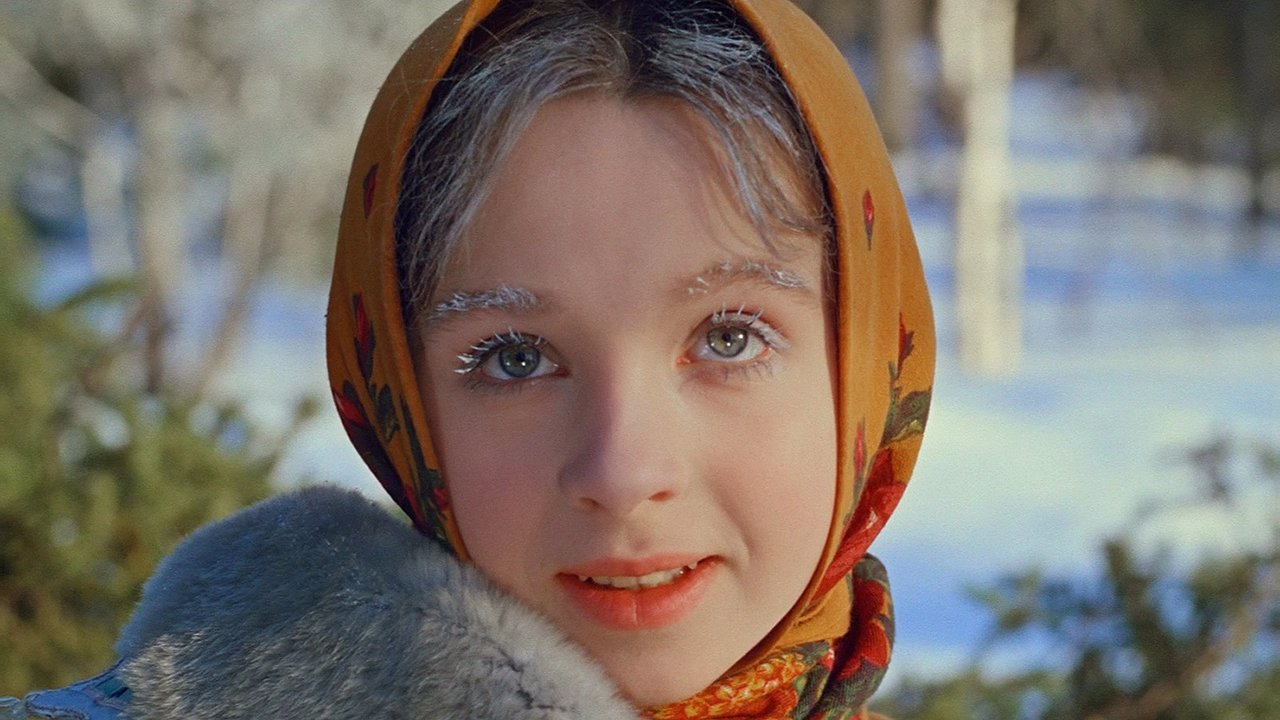
 1965 · Family, FantasyFather FrostA fairy tale about a conceited young man and a young woman with a tyrannical step-mother, who must overcome magical trials in order to be together.…
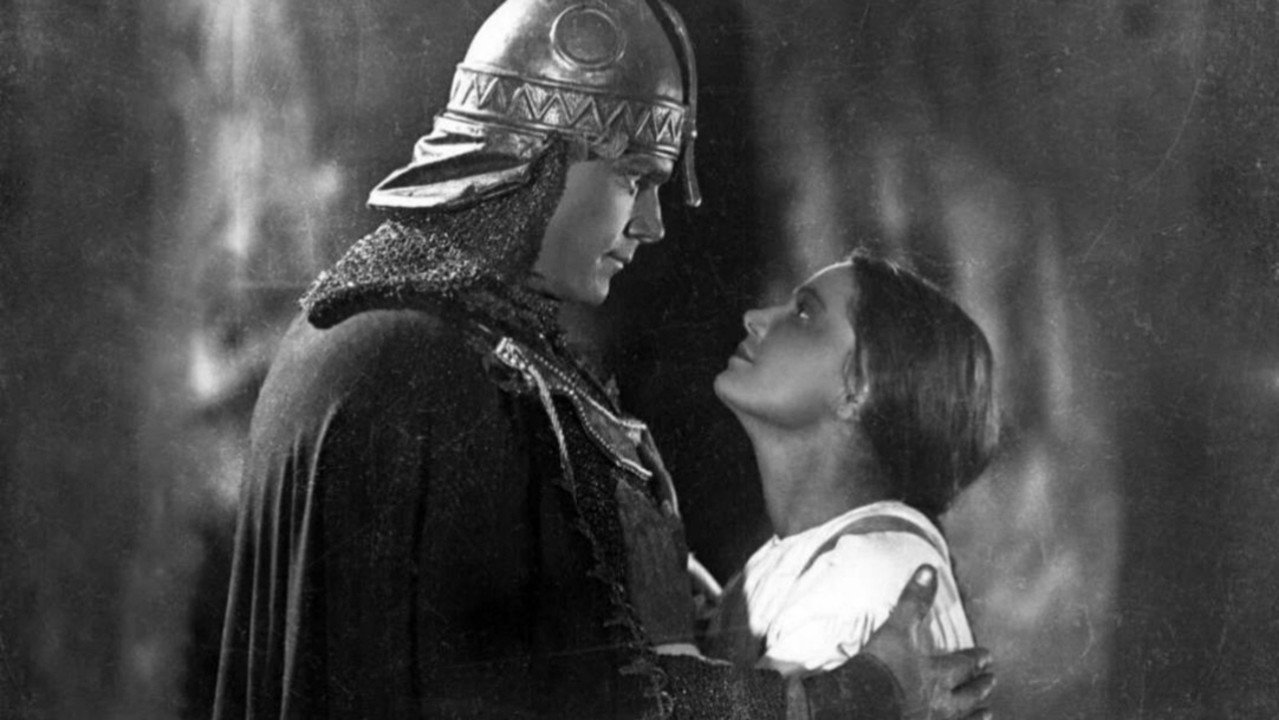 1940 · Family, FantasyVasilisa the BeautifulRussian folk tale about a father whose three sons go out to finds themselves brides. Two of the boys come home with perfectly normal girls, but the yo…
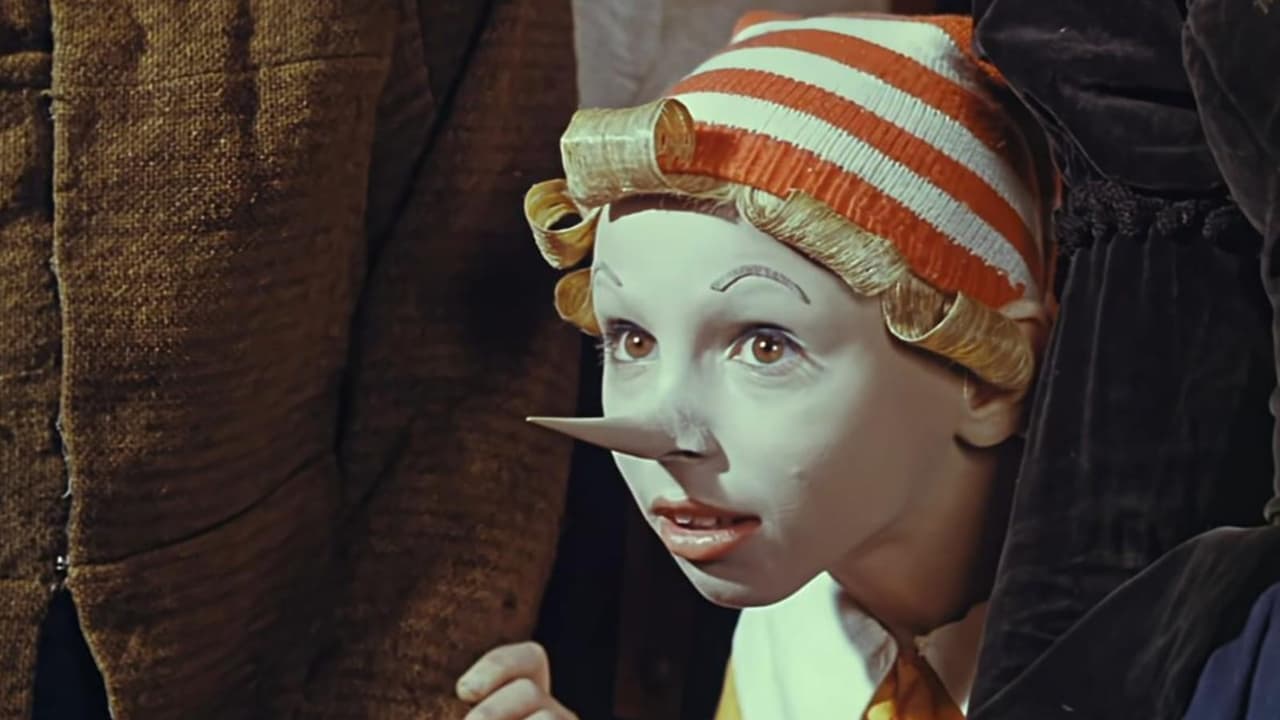 1976 · Family, FantasyThe Adventures of BuratinoA wooden boy Buratino tries to find his place in life. He befriends toys from a toy theater owned by evil Karabas-Barabas, gets tricked by Alice the F…
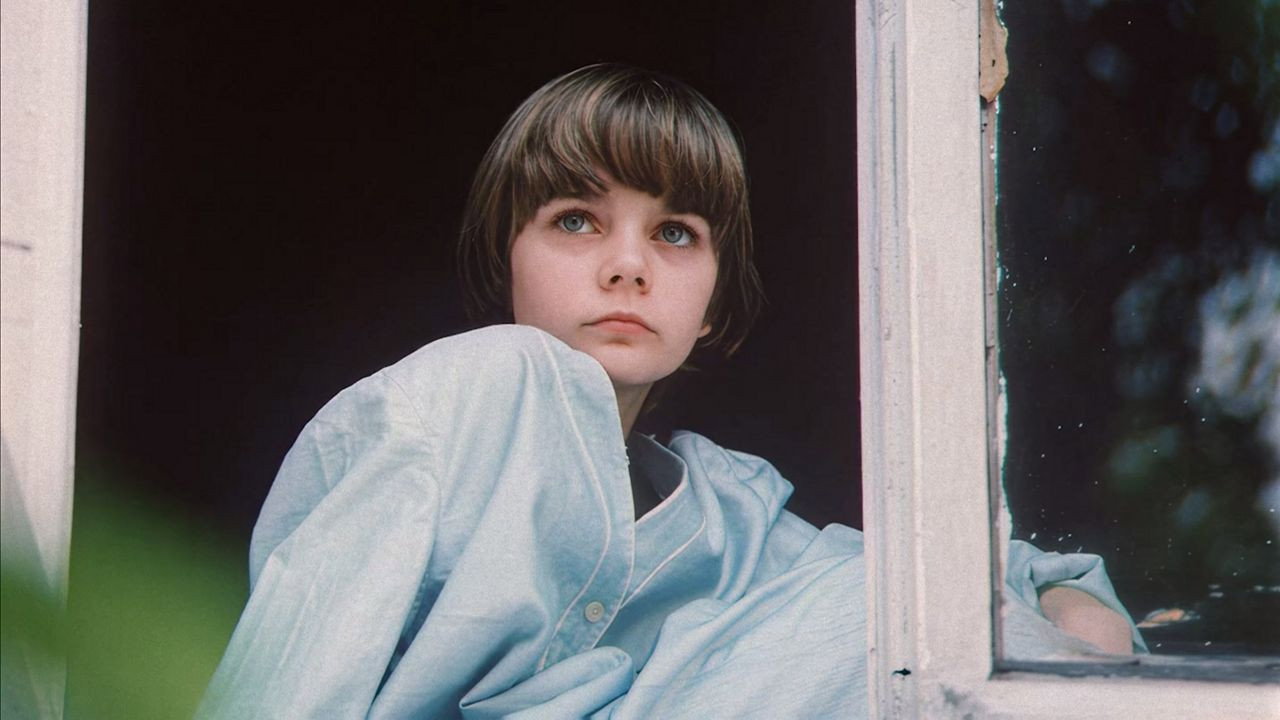 1984 · Adventure, FamilyGuest from the Future6-grader Kolya Gerasimov discovers a time machine in a basement of an old house in Moscow and gets transferred into the 21st century. There he is allo…
ApexMovies: classic Soviet-era and Ukrainian family films in English, from Father Frost, Vasilisa the Beautiful and Sadko to The Adventures of Buratino, Guest from the Future, Mary Poppins, Goodbye and The Adventures of the Electronic, and where to watch them
 ♥7.7
♥7.7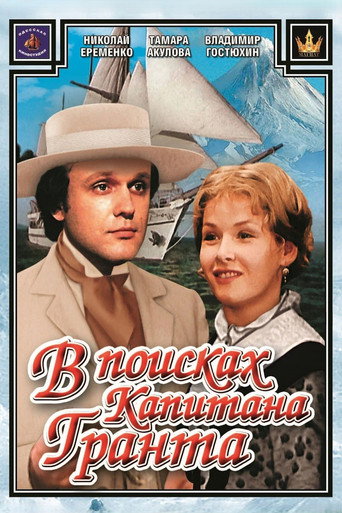 ♥7.4
♥7.4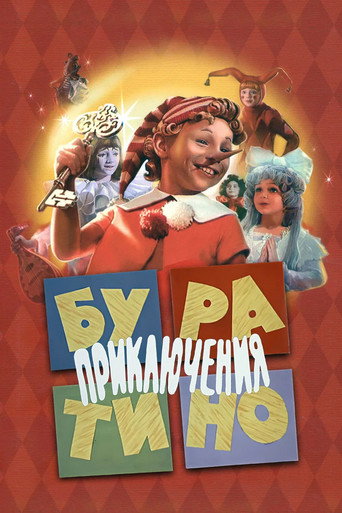 ♥6.7
♥6.7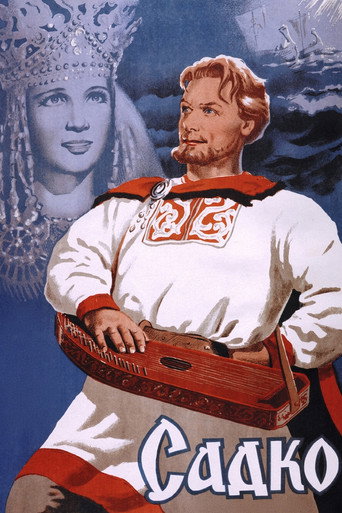 ♥5.7
♥5.7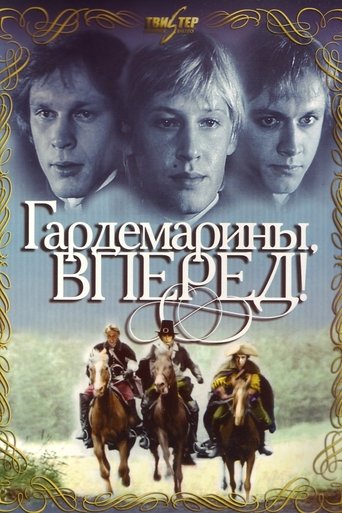 ♥7.9
♥7.9 ♥6.5
♥6.5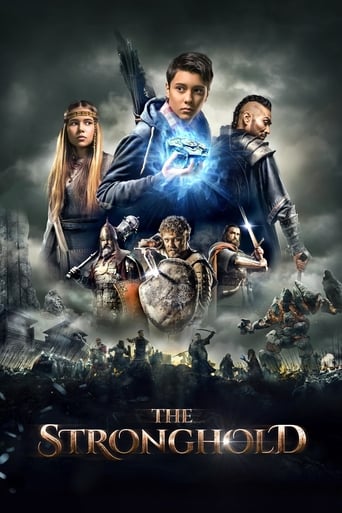 ♥7.2
♥7.2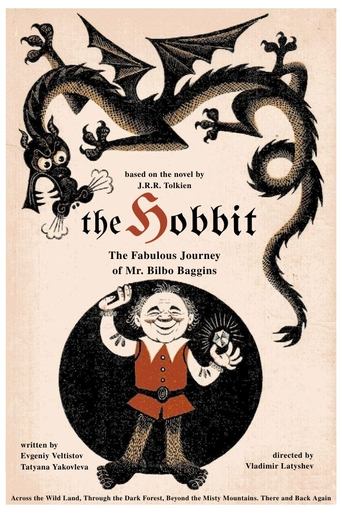 ♥6.6
♥6.6 ♥8.0
♥8.0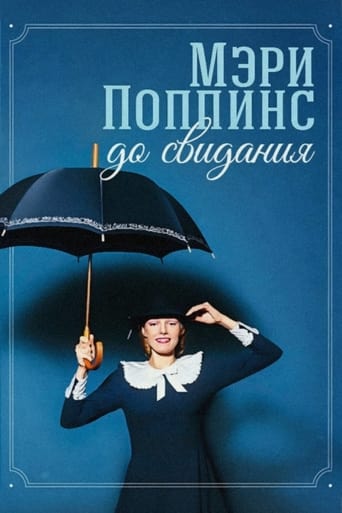 ♥6.8
♥6.8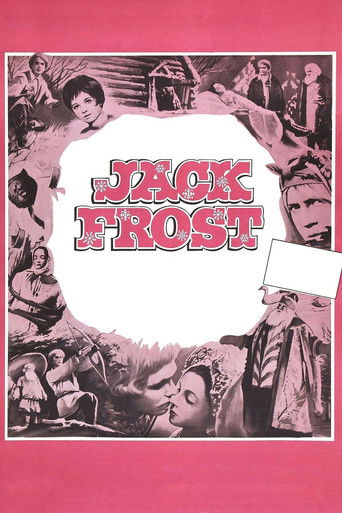 ♥6.2
♥6.2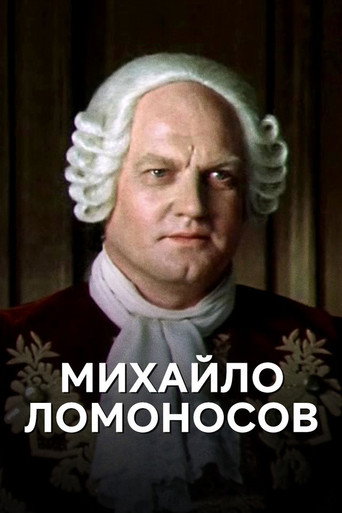 ♥5.8
♥5.8Shelves
View more ♥4.6
♥4.6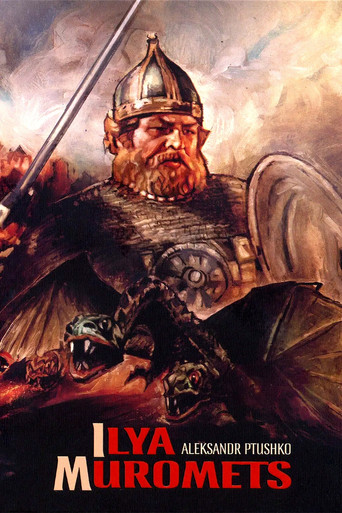 ♥5.2
♥5.2 ♥6.1
♥6.1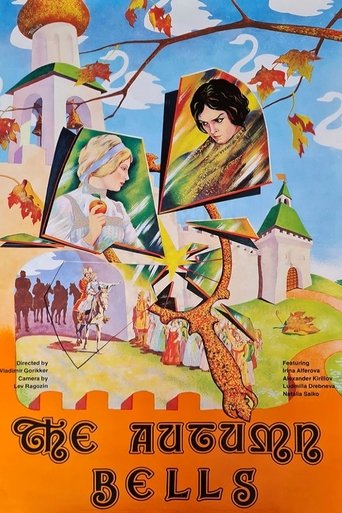 ♥3.8
♥3.8 ♥6.0
♥6.0 ♥6.5
♥6.5 ♥7.0
♥7.0 ♥7.2
♥7.2 ♥7.0
♥7.0 ♥6.8
♥6.8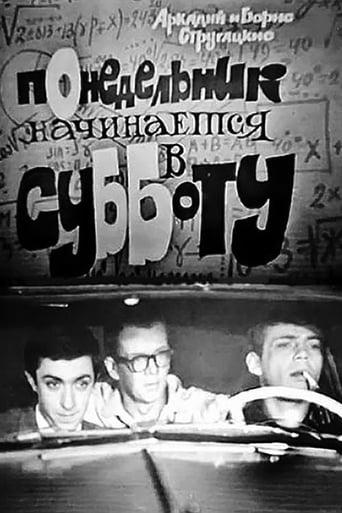 ♥4.3
♥4.3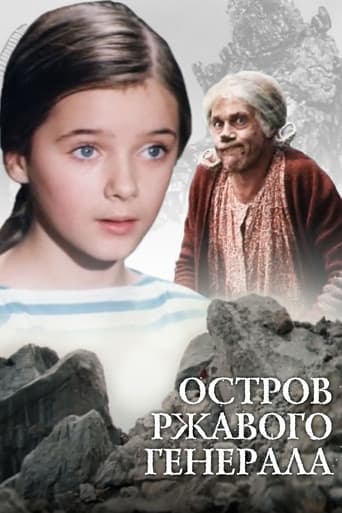 ♥5.2
♥5.2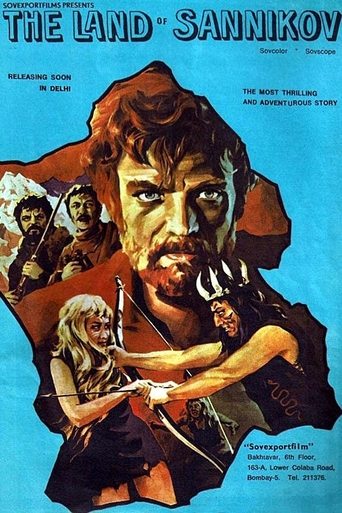 ♥6.2
♥6.2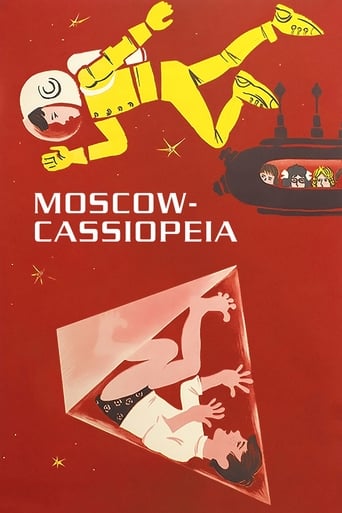 ♥6.3
♥6.3 ♥6.0
♥6.0 ♥7.6
♥7.6 ♥6.2
♥6.2 ♥5.5
♥5.5 ♥5.8
♥5.8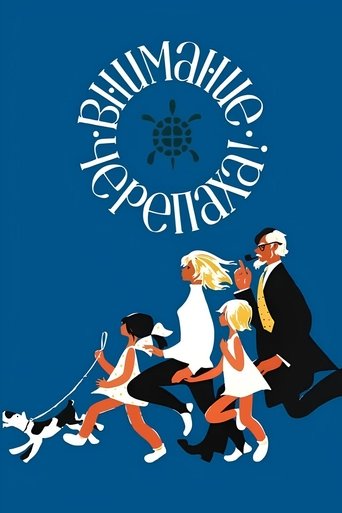 ♥5.2
♥5.2 ♥7.6
♥7.6 ♥7.7
♥7.7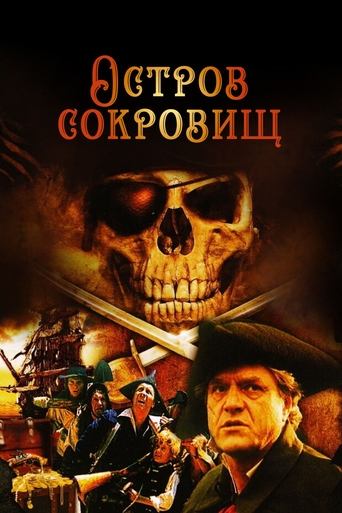 ♥7.1
♥7.1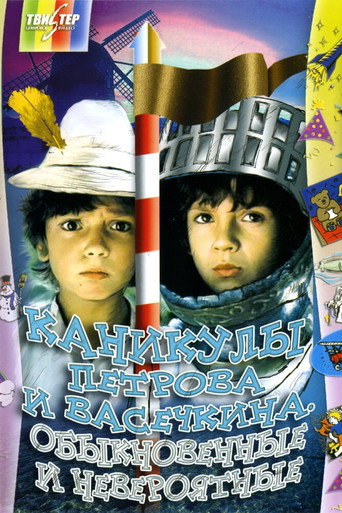 ♥7.0
♥7.0 ♥7.6
♥7.6 ♥7.2
♥7.2 ♥7.3
♥7.3 ♥6.2
♥6.2 ♥6.5
♥6.5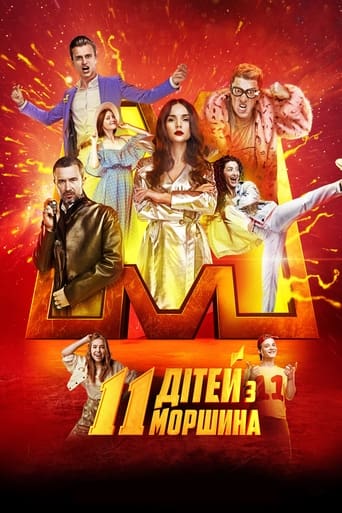 ♥5.6
♥5.6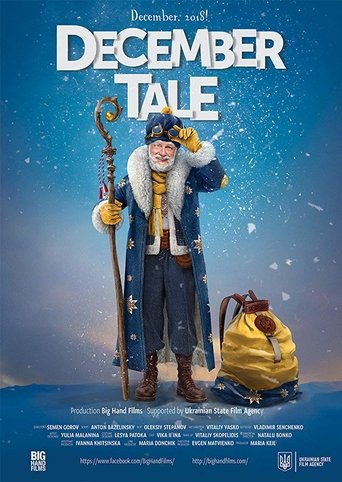 ♥6.2
♥6.2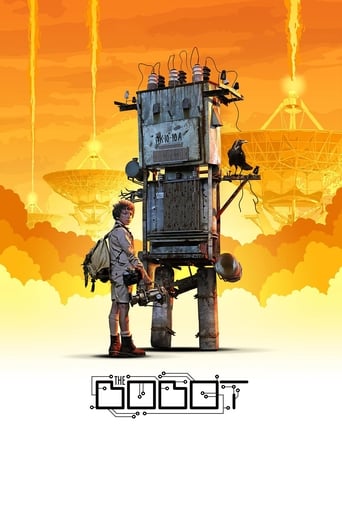 ♥7.6
♥7.6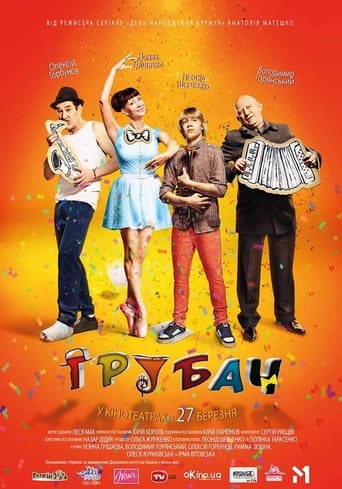 ♥6.7
♥6.7 ♥3.8
♥3.8 ♥6.2
♥6.2Guides
View more- Series 7
- Feature films 163
- Folk-tale fantasies 50
- Science fiction 17
- World classics 32
- School and summer 52
- Ukraine 18
- Winter tales 33
- Before 1960 19
- The 1960s 31
- The 1970s 47
- The 1980s 50
- 1990 onward 23
- Top rated 27
- How to watch with ApexMovies
- Folk-tale fantasies
- Aleksandr Rou and Aleksandr Ptushko
- Science fiction
- World classics
- Ukraine
- Winter tales
- School and summer
- Leonid Nechayev's musical fairy tales
- Series
- A family film night
- Learning Russian and Ukrainian with films
- Through the decades
- Finding a title
- My List
Classic family cinema: the ApexMovies guide
ApexMovies: classic Soviet-era and Ukrainian family films in English, from Father Frost, Vasilisa the Beautiful and Sadko to The Adventures of Buratino, Guest from the Future and Mary Poppins, Goodbye
For more than half a century, the film studios of Moscow, Leningrad, Kyiv, Odesa and Minsk made some of the most beautiful family films in the world. Painted forests, frost wizards in fur coats, firebirds, flying ships, robot schoolboys, time machines in empty flats and singing foxes filled the screen, and whole generations grew up with them. Many of these films travelled far beyond their home countries: Father Frost is a Christmas tradition in the Czech Republic and Slovakia, Sadko won a Silver Lion in Venice, The Stone Flower won a prize in Cannes, and Guest from the Future was watched by every schoolchild of the eighties. ApexMovies gathers 170 of these family films and series, made between 1938 and 2025, 163 films and 7 series, each with its own page, its story in English, its year, running time or episode list, and a Watch now button that leads to the official services carrying it in your country.
The catalogue has been chosen by hand for families. It runs from the first colour fantasies of the forties to the newest Ukrainian Christmas films, and it brings together folk-tale fantasies, children's science fiction, famous world stories retold for a new audience, school and summer comedies, winter tales and the classic multi-part films of family television. Every title has been looked at one by one, and the shelves on the home page are arranged so that parents, grandparents and children can each find something to love in a few seconds.
This guide is the long version of the home page. It walks through the shelves, the great directors, the seasons, the best picks for each age and the simple steps from a title page to the official service. If you are in a hurry, the short help pages are linked from every section, and the How to watch page explains everything in four short steps.
How ApexMovies looks
ApexMovies keeps the look of the site it is named after: a deep, near-black page with a soft violet glow. The slim header holds the white Apexmovies wordmark with a small violet film icon, a row of grey links with a violet pill around the page you are on, a rounded search field and a violet My List button at the right. On a phone, the links fold into a menu behind a three-line button.
The home page opens with a wide slider of four favourites, each with a large still, its year and genres in a violet chip and a short line of its story. Below it, every section sits in its own panel. A violet line runs along the top of each panel with a gentle glow, the section title has a small violet bar at its left, a row of pill tabs leads to related shelves, and an outlined View more pill at the right opens the full shelf. The posters have rounded corners, a round heart button at the top left and a small dark rating chip in gold at the top right, just like the original.
The panels follow one another in a clear order: Trending, the Shelves panel with the main collections, Folk-tale fantasies, Science fiction, Top Rated, Latest Additions, the Guides panel with every shelf and help page, and finally this long guide. The colours, the Lexend type and the shapes were measured from an archived copy of the original home page, so the site feels familiar to anyone who knew it.
Using the site
There are three easy ways into the catalogue. The first is the search field in the header: type a few letters of an English title, such as Buratino, Sadko or Electronic, or of the original Russian or Ukrainian title, and matching titles appear as you type. The second is the shelves: Folk-tale fantasies, Science fiction, World classics, School and summer, Ukraine, Winter tales and Series, together with five decade shelves and a Top rated shelf. The third is the A to Z list, which holds every title in alphabetical order. The Finding a title page collects some handy search tips.
Every title page gives the story in English, the year, the running time or the number of episodes, the director, the main cast, the studio and the original title. Below the story there is a country menu and a Watch now button. Choose your country, press the button, and JustWatch opens with the subscription, rental, purchase and free services that carry the title where you live. Many of the classics live on free services with English subtitles, and the restored versions released by the great studios look wonderful on a large screen.
The heart on each title page adds it to My List, which lives in your browser and opens from the violet button in the header. The My List page explains how to export the list to a small file and take it to another device, such as the family television.
The folk-tale fantasy
The heart of ApexMovies is the folk-tale fantasy, a kind of film that the studios of Moscow and Leningrad made their own. These films take the old Russian, Ukrainian and Belarusian folk tales, with their Ivans and Vasilisas, their wise old women in the forest, their talking pikes and grey wolves, and turn them into bright, warm, funny adventures for the whole family. The shelf holds 50 of them, and the Folk-tale fantasies help page picks the best places to begin.
The heroes are usually simple, good-hearted young people. In Father Frost, kind Nastenka is sent into the winter forest by her stepmother, and proud Ivan learns humility after a forest spirit gives him the head of a bear. In Vasilisa the Beautiful, three brothers shoot arrows to find their brides, and the youngest finds a frog who is really an enchanted princess. In The Humpbacked Horse, a young man befriends a tiny magical horse who helps him catch a firebird and win a princess. In Wish Upon a Pike, lazy Emelya catches a magic pike, and from that moment his buckets walk home by themselves and his stove drives him to the palace.
The villains are just as memorable. Kashchey the Immortal, whose life is hidden in a needle inside an egg inside a duck, rules his gloomy castle in Kashchey the Immortal. Baba Yaga, the old woman of the forest with her hut on chicken legs, appears in film after film, sometimes frightening, often very funny. In Kingdom of Crooked Mirrors, a girl steps through her mirror into a land where everything is reversed and meets her own reflection, a girl who shares all her faults. The films are full of songs, jokes and wonderful costumes, and the scary moments always end with a happy ending.
Later films carry the tradition into new colours. The Twelve Months tells the story of a girl sent to find snowdrops in the middle of winter, who meets the twelve months around a fire in the forest. Finest, the Brave Falcon and Ivan and Marya are lively seventies adventures with clever heroines. The Black Wizard's Gift, Sitting on the Golden Porch and Granddaughter of Ice, all by Boris Rytsarev, mix folk tales with gentle humour. How Ivanushka the Fool Travelled in Search of Wonder is a charming Russian and Finnish road movie with a fool who turns out to be the wisest of all.
Aleksandr Rou, the storyteller
Two directors shaped the screen fairy tale more than any others, and ApexMovies has a whole help page about them, Aleksandr Rou and Aleksandr Ptushko. The first, Aleksandr Rou, made the very first Soviet fairy-tale feature, Wish Upon a Pike, in 1938, and he kept making fairy tales for the rest of his life. Thirteen of his films are in the catalogue, more than from any other director.
Rou loved warmth and comedy. His heroes are cheerful and brave, his villains are pompous and easy to fool, and his films are full of gentle jokes for grown-ups as well as children. Vasilisa the Beautiful and Kashchey the Immortal were made in the early forties. May Night, or the Drowned Maiden, from the story by Nikolai Gogol, brought Ukrainian village life and a magical lake to the screen in 1953. Maria, the Wonderful Weaver follows a soldier, a weaver and a sea king. Kingdom of Crooked Mirrors is one of the most loved children's films of the sixties, and Father Frost, made in 1965, became a classic far beyond its home country.
Rou's late films are among his liveliest. Through Fire, Water and... Brass Pipes follows a young man who must pass three great tests to win back his bride. Barbara the Fair with the Silken Hair is a merry tale of a tsar, a water king and a beautiful girl with a golden plait. Golden Horns, his last film, is the story of a mother who searches the forest for her daughters, who have been turned into deer. Many of these films share the same wonderful actors, and the most famous of them, Georgy Millyar, played Baba Yaga, Kashchey and a dozen other comic villains with endless energy.
Aleksandr Ptushko, the showman
Aleksandr Ptushko was the great showman of the screen fairy tale. He began with puppets and special effects, and he filled his films with giants, sea kings, flying horses and thousands of extras. The Stone Flower, made in 1946, was one of the first colour films of its country and won a prize for its colour at Cannes. It tells the story of a young stone carver from the Ural mountains who searches for the secret of a perfect flower and meets the Mistress of the Copper Mountain.
Sadko, from 1953, follows a merchant and singer from Novgorod who sails the world in search of the bird of happiness. It won a Silver Lion at the Venice festival and was seen around the world. Ilya Muromets, from 1956, is the story of the great hero of the bylina songs, who wakes from a long illness to defend his land from a fearsome three-headed dragon; it was the first widescreen film of its country. Sampo, a Finnish and Soviet film made in 1959, comes from the Finnish epic Kalevala and follows a smith who forges a magic mill.
Ptushko's later films turn to Pushkin. The Tale of Tsar Saltan, from 1967, is the famous verse tale of a tsar, his three sisters-in-law, a magic swan and an island city. Ruslan and Ludmila, from 1972, is a grand two-part adventure in which a knight crosses the world to rescue his bride from a bearded wizard. In between came A Tale of Lost Times, a clever story by Evgeny Schwartz about four schoolchildren whose wasted time is stolen by wizards. If you only have one evening for Ptushko, choose Sadko for its colours and music.
Pushkin, the bylina and the great legends
Many of the grandest films in the catalogue come from two old sources: the verse fairy tales of Alexander Pushkin and the bylina, the heroic songs of old Rus. Pushkin wrote his fairy tales in light, musical verse, and every child in the region learns them by heart. On ApexMovies you will find The Tale of Tsar Saltan and Ruslan and Ludmila, and the influence of Pushkin is everywhere in the folk-tale films.
The bylina songs tell of the bogatyrs, the strong heroes who defended the land: Ilya Muromets, Dobrynya Nikitich and Alyosha Popovich. Ilya Muromets is the classic version, Vasiliy Buslaev follows a bold young hero from Novgorod, and Sadko is the story of the most famous of the Novgorod singers. The new Ukrainian film The Stronghold brings the three bogatyrs back in a modern adventure, in which a schoolboy from today travels a thousand years into the past and meets them as young men.
Winter tales
The New Year is the biggest family holiday of the year across the region, and it has its own films. Father Frost, the grandfather of winter, brings presents with his granddaughter the Snow Maiden, the fir tree is decorated, and television shows the same well-loved films every December. The Winter tales page and the Winter tales shelf collect 33 of them.
Father Frost comes first, of course. In the Czech Republic and Slovakia it is shown every Christmas, and many families there know every line. The Snow Queen, from 1967, tells the Andersen story of Gerda and Kai with a storyteller who walks through the film, and The Secret of the Snow Queen, from 1986, is a gentle musical version. The Snow Maiden is the Ostrovsky play of a girl made of snow who longs to feel love, and The Twelve Months is the Marshak tale of the girl and the snowdrops.
For a lighter December evening, New Year Adventures of Masha and Vitya follows two schoolchildren into a fairy-tale world to rescue the Snow Maiden from Kashchey, with a famous rock-and-roll song for the cat. A Snow Fairy Tale is a cheerful sixties film of a boy and a magic clock. This Merry Planet follows three visitors from another planet who arrive at a New Year party, and Poor Sasha is a nineties comedy about a girl who plans a very unusual New Year present for her mother.
The Ukrainian films add their own Christmas. Infernal Guidon, or Cossack Christmas is a merry fairy tale of a Cossack, Saint Peter and a devil. December Tale follows a little boy in a Carpathian village who meets Saint Nicholas. Only a Miracle is set in a mountain town where winter has lasted for seven years, and Train to Christmas, from 2025, gathers a group of strangers for a Christmas dinner in the dining car of a train.
Leonid Nechayev and the musical fairy tale
In the seventies and eighties, a new kind of fairy tale arrived on television: the musical film with child actors. The master of this form was Leonid Nechayev, who worked at the Belarusfilm studio in Minsk. His films are short, bright and full of songs, and the Leonid Nechayev help page lists them all.
The Adventures of Buratino, from 1976, is the most famous. It tells the story of a wooden boy carved from a log by the old organ grinder Papa Carlo, a cousin of Pinocchio, who finds a golden key and a secret door. The songs by Alexei Rybnikov are known to everyone who grew up in the region. About the Little Red Riding Hood, from 1977, turns the old story into a merry musical with a bold, cheerful heroine, songs by Alexei Rybnikov and a very funny forest. Accept a Telegram for Credit and Sold Laughter are fine adventures of clever children, Red, Honest, in Love is the story of a kind young fox who becomes friends with the hens he is supposed to hunt, and Peter Pan, from 1987, is a fresh musical version of the Barrie story.
Science fiction for children
The studios of the region made wonderful science fiction for young viewers, full of robots, spaceships and time machines, and the Science fiction shelf holds 17 of these films. The Science fiction help page picks the highlights.
Guest from the Future, from 1984, is the most loved of all. In five parts, it follows Kolya, an ordinary Moscow schoolboy who finds a time machine in an empty flat and travels a hundred years into the future. There he meets Alisa Selezneva, a girl from the future, and when two space pirates steal a precious device called the mielophone, the chase moves back into Kolya's own school. The story comes from the books of Kir Bulychev, and Alisa became a hero for a whole generation. Two more Alisa stories are on ApexMovies: The Purple Ball, an adventure on a distant planet, and Island of Rusty General, in which Alisa and her friends face an army of old robots.
The Adventures of the Electronic, from 1980, is the other great favourite. A professor builds a robot boy who looks exactly like a sixth-grader called Seryozha, and the robot dreams of becoming human. The two boys swap places: the robot goes to school and wins every race and every maths competition, while Seryozha enjoys his freedom, until both discover how much they need each other. The film was made in three parts by Konstantin Bromberg, and its songs are sung at school concerts to this day.
Children went to space too. Moscow-Cassiopeia and its sequel Teens in the Universe, directed by Richard Viktorov, follow a crew of schoolchildren on a long voyage to a planet near the star Cassiopeia, where they find a world run by robots and help its people. Aziris Nuna, a later film, sends two brothers far into the future. This Merry Planet turns the idea around and brings three curious visitors from another planet to a New Year party on Earth.
Some of the films mix science with magic and adventure. Amphibian Man, from 1962, is the story of Ichthyander, a young man who can live under the sea, from the novel by Alexander Belyaev, with beautiful underwater scenes. The Sannikov Land follows an expedition in search of a mythical warm land in the Arctic. Monday Begins on Saturday is a playful film from the story by the Strugatsky brothers about an institute of magic. Two Days of Wonders follows a father and son who swap places with the help of two young fairies, and The Secret of the Iron Door is the story of two boys who find a magic door that grants every wish.
World classics retold
The studios also loved the great stories of other countries, and they retold them with their own humour, music and style. The World classics shelf holds 32 of these films, and the World classics help page lists the best.
English books are especially well loved. Mary Poppins, Goodbye, from 1983, is a musical in two parts with a fine cast and songs by Maxim Dunayevsky, in which the famous nanny flies in on her umbrella to help the Banks children. Treasure Island, from 1982, is a faithful three-part version of the Stevenson adventure. Peter Pan flies with Wendy to Neverland, and The Hobbit: The Fabulous Journey of Mr. Bilbo Baggins, a television play from 1985, is a rare early version of the Tolkien story, with a narrator who reads the book aloud as the play unfolds.
Scandinavian stories have a special place. Karlsson-on-the-Roof, from 1971, brings the little man with a propeller on his back to the screen; the books of Astrid Lindgren were hugely popular across the region, and Karlsson was one of their favourite heroes. Pippi Longstocking, from 1984, follows the strongest girl in the world and her horse, and Adventures of Kalle the Detective is the story of Lindgren's young detective and his friends. Andersen appears in The Snow Queen and The Nightingale, Wilhelm Hauff in A Fairy Tale Told at Night, and Charles Perrault in Cinderella, Donkey's Hide and New Adventures of Puss in Boots.
The adventure stories are just as grand. In Search of Captain Grant, a seven-part series from 1985 directed by Stanislav Govorukhin, follows the Jules Verne voyage across three oceans in search of a lost sea captain. Captain Nemo, from 1975, brings the Nautilus and its mysterious captain to the screen. A Captain at Fifteen is another Verne voyage, and The Adventures of Tom Sawyer and Huckleberry Finn, also by Govorukhin, is a lively version of the Mark Twain classic. The Very Same Munchhausen, from 1979, directed by Mark Zakharov, is a witty and touching film about the famous baron who tells tall tales, and it is one of the most quoted films of its time.
Italian stories are here too. Cipollino, from 1973, follows the brave little onion boy of Gianni Rodari's book, with a famous cast and a garden full of vegetable characters, and The Miracle Voice of Gelsomino is the Rodari story of a boy whose voice is so strong that it breaks glass, in a land where everybody must say the opposite of what they mean. Rikki-Tikki-Tavi is a Soviet and Indian film of the Kipling story about the brave mongoose.
Two Cinderellas
The catalogue holds two films called Cinderella, and both are worth seeing. Cinderella, from 1947, directed by Nadezhda Kosheverova and Mikhail Shapiro from a script by Evgeny Schwartz, is one of the wittiest fairy-tale films ever made. The king is a cheerful old man who keeps threatening to give up his crown, the stepmother is magnificently grand, and the fairy godmother's page boy is a young magician still learning his craft. Its lines have become proverbs.
Cinderella, from 1961, is a beautiful ballet film of the Prokofiev score, performed by the dancers of the Bolshoi Theatre. It is a lovely way to introduce children to classical ballet, since the story is easy to follow and the dancing is full of fairy-tale magic. The search on ApexMovies shows both films, each with its year, so it is easy to choose.
School and summer
Alongside the magic, the studios made many warm, funny films about ordinary children: their schools, their summer holidays, their friendships and their first adventures. The School and summer shelf holds 52 of them, and the School and summer help page picks the best.
School stories come in every shape. The Republic of ShKID, from 1966, is the true story of a school for street children in the twenties and its wise, patient headmaster, and it is one of the most loved films of its decade. First-Year Student, from 1948, follows a little girl on her first school year. The Boy from 5B and Quarantine, both by Ilya Frez, are gentle, funny portraits of children at home and at school. Adventures of Krosh follows a curious teenager on a summer job at a car depot, and the series Vacations of Krosh continues his story. The Diaries of a School Principal and A Teacher of Singing see school from the teachers' side.
The summer films are full of sun, water and friendship. Good Wind, 'Blue Bird'! is a Soviet and Yugoslav adventure of children on a river boat. Lullaby for Brother follows a group of boys who set off on a sailing trip. Passenger from the 'Equator' is the story of a strange boy who appears on a ship, and Magic Power is a playful film in three short stories. Vacation of Petrov and Vasechkin, Usual and Incredible and Adventures of Petrov and Vasechkin, Both Usual and Unbelieveable, by Vladimir Alenikov, follow two schoolboys in two musical comedies full of daydreams and songs.
Some of the best are comedies about grown-ups and children together. The Whiskered Nanny is the story of a young man who takes a job at a kindergarten and slowly wins over a whole group of small children. Aybolit-66, by Rolan Bykov, is a bright and eccentric musical version of the story of the kind animal doctor. Weekend Dad is a tender film about a father and his child. Where Are You, Bagira? is a simple story about a girl and her dog, and The Little Cat follows a kitten who falls from a window onto a truck and finds his way home across the whole of Moscow.
Two directors stand out in this part of the catalogue. Rolan Bykov, an actor loved by children everywhere, directed Aybolit-66, Summer Is Over and Attention, Turtle!, in which a group of schoolchildren rescue a pet tortoise. Aleksandr Mitta made My Friend, Kolka!, about a lively boy who sets up a secret club at his school, The Girl and the Bugler, a tender film about a schoolgirl and her first crush, and later the grand fantasy The Story of the Voyages, with dragons and flying machines.
Ukraine
Ukraine has its own long tradition of family films, from the classics of the Dovzhenko studio in Kyiv and the Odesa studio to the bright new family films of the last ten years. The Ukraine shelf holds 18 of them, and the Ukraine help page tells their story.
Nikolai Gogol, who was born in a Ukrainian village and wrote about it with endless love and humour, is the patron saint of this shelf. His early collection, Evenings on a Farm Near Dikanka, is full of fairs, witches, devils, Cossacks and young lovers, and the films on ApexMovies take you right into that world. May Night, or the Drowned Maiden, by Aleksandr Rou, is a moonlit tale of a young Cossack and a magical lake. The Lost Letter, from 1972, is a merry fantasy in which a Cossack travels all the way to the palace of the empress, and loses his way in the world of witches on the journey. Sorochyntsi Fair and Evenings on a Farm Near Dykanka are colourful musical versions made for New Year television in the early two-thousands.
The classic Ukrainian films for children are gentle and funny. The Flying Ship is a Ukrainian folk tale of a brave young hero who sets off to rescue his sister from a dragon. Toreadors from Vasiukivka, from the story by Vsevolod Nestaiko, follows two village boys who dream of becoming great travellers. Captain Krokus is a circus adventure of a clown and a pig who save a town festival, and A Strip of Uncut Wild Flowers is a thoughtful film about two boys at a boarding school who escape into fantasy.
The new Ukrainian films are full of energy. The Stronghold, from 2017, is a big fantasy adventure in which a schoolboy from Kyiv travels a thousand years into the past and meets the young bogatyrs. Bobot follows a twelve-year-old dreamer, a brave girl, an eccentric scientist and a living electric box who save the world from an alien threat. Morshyn's 11 is a lively caper set in a spa town built on the site of a meteorite. The EGGsplosive Easter is a family comedy about a big family gathering for Easter, and the six-season comedy The House of Happiness follows a city family who start a new life in a village; Trumpeter is the story of a young musician whose talent wins the attention of a world-famous artist.
Series
Family television in the region loved the multi-part film: a story told in three, four or seven evenings, often shown during the school holidays. ApexMovies has seven series, and the Series help page describes each one.
In Search of Captain Grant is the grandest, a seven-part Jules Verne adventure with ships, storms and faraway lands. Naval Cadets, Charge! is a lively swashbuckler about three young cadets in the eighteenth century, full of sword fights, songs and friendship, and it was one of the most popular television events of its year. The Long Recess is a much-loved comedy about an evening school where the pupils are grown-ups and the teachers are young. Vacations of Krosh continues the story of the teenager from Adventures of Krosh. The newest series, The House of Happiness, is a warm Ukrainian family comedy in six seasons about a banker who moves his family from the city to a little cottage in a village, where friendly neighbours help him win over his doubtful wife.
Two series tell true stories. Mikhaylo Lomonosov follows the life of the great scientist and poet, a fisherman's son from the far north who walked to Moscow to study and became one of the most important scholars of his age. Shore of his life follows the explorer Nicholas Miklouho-Maclay, who lived among the people of New Guinea and wrote about them with deep respect.
A short history
The story of these films begins in the thirties. In 1938, Aleksandr Rou made Wish Upon a Pike, and its success opened the door to a whole new kind of family film. Through the forties, Rou and Ptushko made Vasilisa the Beautiful, The Humpbacked Horse, Kashchey the Immortal and The Stone Flower, and the 1947 Cinderella showed how witty a fairy tale could be. These early films were shot with great care, often in difficult conditions, and they look remarkable in their restored versions. The Before 1960 shelf holds 19 titles.
The fifties brought colour and spectacle. Sadko, Ilya Muromets and Sampo were made for the biggest screens, and Old Man Khottabych, from 1957, became an instant favourite: it is the story of a schoolboy called Volka who finds an old bottle in a river and frees a genie who is three thousand years old and quite unfamiliar with the modern world. Maria, the Wonderful Weaver and New Adventures of Puss in Boots showed the lighter side of the fairy tale.
The sixties and seventies were the golden age, with 31 and 47 titles on their shelves. Children's film studios and the new world of television produced fairy tales, science fiction, school comedies and musicals in great numbers. Kingdom of Crooked Mirrors, Father Frost, Amphibian Man, The Snow Queen, Karlsson-on-the-Roof, The Twelve Months, Moscow-Cassiopeia, The Adventures of Buratino and The Very Same Munchhausen all come from these twenty years.
The eighties, with 50 titles, are the biggest shelf of all. Television took the lead, and the great multi-part films of the decade, The Adventures of the Electronic, Guest from the Future, Mary Poppins, Goodbye, Treasure Island, In Search of Captain Grant and Naval Cadets, Charge!, are still shown every holiday season. The fairy tale continued with The Story of the Voyages, The Secret of the Snow Queen, Donkey's Hide and Over the Rainbow, a story of a young poet who wins a magic gift from a fairy on the condition that he always tells the truth.
The 1990 onward shelf, with 23 titles, brings the story up to today. It includes nineties films such as Captain Krokus and The Little Cat, the musical Gogol films of Ukrainian television, gentle fantasies such as The Book of Masters and The Real Tale, and the new Ukrainian family films, from The Stronghold to Train to Christmas. The Through the decades page links every decade shelf.
Picks by age
Every family has its own taste, but some films are especially good for certain ages. The A family film night help page gives a short list for each age, and here is a longer one.
For the youngest viewers, choose films that are short, bright and full of music. About the Little Red Riding Hood comes in two parts with wonderful songs, perfect for two short evenings. Wish Upon a Pike runs under an hour and is a merry tale that small children love for its walking buckets and its stove that drives itself. The Twelve Months is gentle and beautiful, and Mama, a Romanian, French and Soviet musical with dancers in animal costumes, tells the story of a mother goat and her kids. Father Frost has a few moments of gentle fright in the winter forest, but its humour and warmth make it a perfect first fairy tale for children of five or six.
For children of eight and up, the great adventures open their doors. The Adventures of Buratino and The Adventures of the Electronic are favourites at this age, Old Man Khottabych and Kingdom of Crooked Mirrors are full of magic and jokes, and Moscow-Cassiopeia is a fine first step into science fiction. Treasure Island, Karlsson-on-the-Roof and Pippi Longstocking are good choices for children who know the books.
For older children and their parents, the longer films and series are rewarding. Guest from the Future is perfect for a week of evenings, one part each night. The Very Same Munchhausen and Cinderella are full of jokes that grown-ups enjoy even more than children. In Search of Captain Grant and Naval Cadets, Charge! are big adventures, and The Republic of ShKID is a moving story that teenagers often love.
Planning a family film night
A family film night is one of the nicest ways to enjoy these films. Choose a theme, gather two or three titles in My List, and let each member of the family choose one. Here are a few ideas.
A winter evening: start with Father Frost and finish with The Twelve Months, or watch New Year Adventures of Masha and Vitya with the younger children. A Pushkin evening: The Tale of Tsar Saltan for the family, followed by Ruslan and Ludmila on a second night. A space evening: Moscow-Cassiopeia on Friday and Teens in the Universe on Saturday. A Lindgren weekend: Karlsson-on-the-Roof, Pippi Longstocking and Adventures of Kalle the Detective. A Gogol evening: May Night, or the Drowned Maiden and The Lost Letter, which make a wonderful pair.
Many families like to read the book or the tale aloud before watching the film. Most of the stories behind these films, from the Russian folk tales and the verse tales of Pushkin to the books of Lindgren, Verne and Stevenson, are easy to find in English, and children love to compare the book with the film afterwards.
Learning Russian and Ukrainian with films
Family films are a lovely way to learn a language, and many learners of Russian and Ukrainian begin with the fairy tales. The Learning Russian and Ukrainian help page gives a few tips.
The folk-tale films are especially friendly for learners. The speech is clear and often rhythmic, the stories are familiar, the same phrases come back again and again, and the songs are easy to remember. Father Frost, Wish Upon a Pike and The Humpbacked Horse are good first films. Watch a film once with English subtitles, then a second time with subtitles in the original language, and you will be surprised how much you understand.
For Ukrainian, start with the new family films, whose dialogue is everyday and lively: Bobot, Only a Miracle and Morshyn's 11 are good choices. The Gogol films give a taste of the old village speech, full of humour and colour. For more advanced learners of Russian, The Very Same Munchhausen and Cinderella are full of famous lines that every speaker knows.
Music and song
Music is everywhere in these films, and many of their songs became famous on their own. The composer Gennady Gladkov wrote the songs for many fairy-tale films, Alexei Rybnikov wrote the music for The Adventures of Buratino and About the Little Red Riding Hood, Evgeny Krylatov wrote the much-loved songs of The Adventures of the Electronic and Guest from the Future, and Maxim Dunayevsky wrote the music for Mary Poppins, Goodbye.
The ballet has its place too. Cinderella is the Prokofiev ballet danced by the Bolshoi, and The Stone Flower also inspired a famous Prokofiev ballet. Opera fans will recognise the music of Rimsky-Korsakov in Sadko and The Snow Maiden, both based on stories he turned into operas. A film night with these titles is also a gentle introduction to classical music.
Hidden gems
Beyond the famous classics, the catalogue holds many smaller films that deserve a wider audience. The Story of the Voyages is a big Soviet, Czechoslovak and Romanian fantasy adventure of a girl who searches for her lost brother, with dragons and flying machines. The Sparkling World is a dreamy film about a circus performer who can fly, from a story by Alexander Grin. A Tale of Lost Times is a clever moral tale about the value of time. The Man from Nowhere, an early comedy by Eldar Ryazanov, follows a young scientist who brings a cheerful man from a far-off mountain tribe to Moscow.
A few more: Three Fat Men, directed by and starring Aleksey Batalov, is a colourful adventure of a circus girl and a rebel tightrope walker. King Stag, from the Carlo Gozzi play, is a charming fairy tale of a king who can change shape. Bells of Autumn is a gentle fantasy from Pushkin's tale of the dead princess. Help Me, Bros! is a merry comedy about a fairy-tale tsar who must find a bride, and The Book of Masters is a bright modern fantasy about a Countess of Stones and a brave young hero.
Great directors for children
Many great directors worked for children, and it is a pleasure to follow them through the catalogue. Besides Rou, Ptushko and Nechayev, look for Nadezhda Kosheverova, who made Cinderella, A Very Old Story, How Ivanushka the Fool Travelled in Search of Wonder, The Nightingale and Donkey's Hide; Boris Rytsarev, who made Ivan and Marya, The Black Wizard's Gift, Granddaughter of Ice, The Doctor's Pupil and Sitting on the Golden Porch; Gennadi Vasilyev, who made Finest, the Brave Falcon, Vasiliy Buslaev and The New Adventures of Captain Vrungel; and Ilya Frez, the great director of school films.
Pavel Arsenov made Guest from the Future, The Purple Ball and the charming King Stag. Margarita Mikaelyan made both Astrid Lindgren films, Karlsson-on-the-Roof and Pippi Longstocking. Stanislav Govorukhin made the two big adventure films In Search of Captain Grant and The Adventures of Tom Sawyer and Huckleberry Finn, and Richard Viktorov made the two space films. The search field on ApexMovies finds all of them by title, and every title page names its director.
Through the year
These films follow the seasons of the year, and many families like to watch them at the right time. In winter, the frost tales take over: Father Frost, The Snow Queen, The Twelve Months and the Ukrainian Christmas films are perfect for the long December evenings. In early spring, The Snow Maiden tells of the end of winter, and The EGGsplosive Easter brings a family Easter to the screen.
In summer, the school and summer films come into their own: the river boats of Good Wind, 'Blue Bird'!, the sailing trip of Lullaby for Brother and the holiday comedies of Petrov and Vasechkin. Autumn is the season for the grand legends, Sadko, Ilya Muromets and Ruslan and Ludmila, and for the gentle fantasy Bells of Autumn. A new school year is a good time for First-Year Student and The Republic of ShKID.
How Watch now works
Every title page on ApexMovies has a country menu and a Watch now button. Choose your country, press the button, and JustWatch opens in a new tab with the services that carry the title where you live: subscription services, rental and purchase stores, and free services with advertising. Many of the great studios have restored their classic films and released them on their own channels and on free services, often with English subtitles, so the choice is wide.
ApexMovies keeps fifteen countries in the menu, from the United States, the United Kingdom, Canada, Australia and Ireland to Ukraine, Germany, Poland, Lithuania, Latvia, Estonia, Finland, Israel, the Netherlands and France, and your choice is remembered in your browser for the next title. The How to watch page explains every step.
A perfect first night
If you are new to these films and want just one evening to begin, here is a simple plan. For a family with small children, watch Father Frost: it is short, funny and beautiful, and it shows the whole charm of the fairy-tale film in eighty minutes. For a family with older children, watch the first part of Guest from the Future or The Adventures of the Electronic, and see if everyone wants the second part the next evening. For a quiet evening for grown-ups, choose The Very Same Munchhausen or the 1947 Cinderella.
After the first evening, open the shelves and follow your taste. If the family loved the magic, go on to Vasilisa the Beautiful, Kingdom of Crooked Mirrors and Sadko. If they loved the robots and the future, go on to Moscow-Cassiopeia and The Purple Ball. If they loved the songs, go on to The Adventures of Buratino and Mary Poppins, Goodbye.
Why these films matter
These films were made with enormous care by some of the finest artists of their time: directors, set designers, costume makers, composers and actors who believed that children deserved the very best. Their painted forests and handmade special effects have a warmth that modern films rarely reach, and their stories of kindness, courage, honesty and friendship speak to every generation.
They are also a shared memory. Parents and grandparents across a huge region grew up with the same films, and watching them with children today is a way of passing on that memory. For families everywhere else, they are a window onto a rich and beautiful tradition of storytelling, full of the folk tales of Russia, Ukraine, Belarus and their neighbours. And for Ukraine, the new family films show a lively young film industry that is telling its own stories with energy and humour.
The help pages
ApexMovies has fifteen short help pages, each linked from the Guides panel on the home page. They cover how to watch, folk-tale fantasies, Rou and Ptushko, science fiction, world classics, Ukraine, winter tales, school and summer, Leonid Nechayev, series, family film nights, learning languages, the decades, finding a title and My List.
Happy viewing
ApexMovies is an independent English guide. Posters and production data come from TMDB, the services in the Watch now menu come from JustWatch, and the guide and the help pages are written for ApexMovies. We hope it helps your family find a new favourite, whether it is a frost wizard in the winter forest, a robot schoolboy, a time traveller from the future or a brave young Cossack on the road to the palace. Happy viewing.
Questions
What is ApexMovies?
ApexMovies is an English guide to 170 classic family films and series from the Soviet era and from Ukraine, with a Watch now button that opens each title on JustWatch for your country.
Which films are included?
Folk-tale fantasies, children's science fiction, world classics retold, school and summer comedies, winter tales, Ukrainian family films and classic television series, made between 1938 and 2025.
Is Father Frost here?
Yes. The 1965 classic by Aleksandr Rou, also known as Jack Frost and Morozko, is on the Folk-tale fantasies and Winter tales shelves.
Are there series as well as films?
Yes. Seven series sit on the Series shelf, from In Search of Captain Grant and Naval Cadets, Charge! to the Ukrainian family comedy The House of Happiness, each with its full episode list.
Are the films in English?
The guide is in English. The films are in Russian or Ukrainian, and many services offer English subtitles.
How does Watch now work?
Choose your country and press Watch now. JustWatch opens with the subscription, rental, purchase and free services that carry the title where you live.
Are the films suitable for children?
The catalogue is chosen by hand for family viewing, and the guides point out the best titles for each age.
What is My List?
My List keeps the titles you plan to watch in your browser. You can export it to a small file and import it on another device.